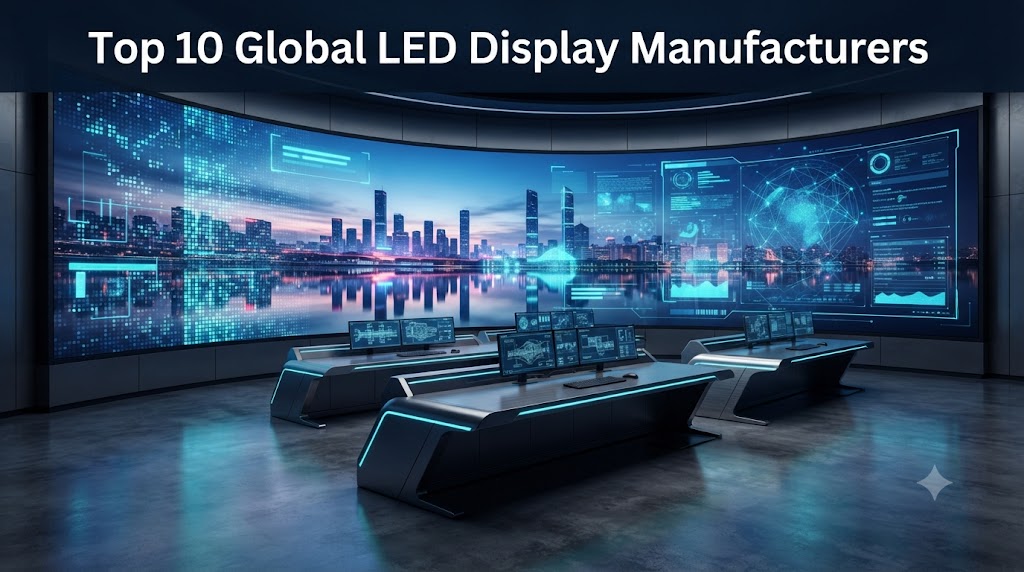
Over the past few years, the global visual technology market has experienced a profound shift. As digital transformation accelerates across commercial, industrial, and entertainment sectors, high-definition LED displays have evolved from high-end luxuries into essential infrastructure for modern spaces. From massive outdoor billboards lighting up city skylines to high-resolution command center screens monitoring critical operations, the demand for reliable, energy-efficient, and ultra-high-definition displays continues to grow rapidly. For international contractors, system integrators, and enterprise buyers, choosing the right supplier is no longer a simple routine purchase—it is a critical supply chain decision that directly impacts operational lifespan, visual quality, and overall return on investment.
When assessing the market, it helps to look beyond surface-level claims and understand what truly separates ordinary suppliers from leading global innovators. As a premier industry specialist dedicated to cutting-edge visual solutions, Vision LED Pro stands at the forefront of this evolution—delivering advanced manufacturing capabilities, uncompromising quality control, and comprehensive engineering support worldwide. The following sections explore key industry trends, benchmarks for manufacturing excellence, and a detailed look at the top global LED display manufacturers shaping the future of visual communications.
Fine Pixel Pitch Integration: The growing push for ultra-high-definition resolution has made fine pitch technology the industry standard. Manufacturers are constantly reducing pixel spacing to deliver crystal-clear viewing experiences even from up close, driving upgrades across corporate boardrooms, television studios, and high-end retail stores.
Energy Efficiency and Thermal Management: With rising electricity costs and global demands for energy conservation, leading manufacturers prioritize low-voltage drive architectures, common-cathode circuit designs, and advanced heat dissipation to lower operating temperatures and extend screen longevity.
Structural Flexibility and Modular Versatility: Modern projects frequently require non-standard layouts, such as curved screens, cylindrical columns, and ultra-thin profiles. The ability to build flexible modules without compromising electrical performance has become a true test of a manufacturer's engineering capacity.
With the broader industry context in mind, how should buyers approach choosing a supplier? When international contractors and system integrators filter through potential partners, they look past marketing claims to focus squarely on practical engineering capabilities. A world-class manufacturer typically stands out in several key areas:
In-House Research and Development (R&D): Designing proprietary control systems, driver IC configurations, and mechanical structures in-house is essential for long-term system stability and future software upgrades.
Automated Production Lines: High-speed SMT placement machines, automated optical inspection (AOI) equipment, and rigorous aging tests are vital to ensuring uniform color consistency and zero-defect deliveries.
Comprehensive Product Portfolio: A complete product lineup—spanning outdoor waterproof displays, lightweight stage rental screens, transparent architectural glass panels, and fine-pitch indoor setups—demonstrates a supplier's true versatility.
While the market includes many regional assembly operations, only a select group of global manufacturers consistently sets the benchmark for technology, scale, and customer support.
Early pioneers of surface-mount technology continue to lead the market in large stadium installations and landmark outdoor media. These companies operate massive automated production plants capable of fulfilling multi-megawatt orders while strictly adhering to international standards like ISO9001, CE, RoHS, and FCC. Their main strengths lie in high-volume component integration and well-established global logistics networks.
A second group of prominent manufacturers focuses heavily on sub-1.5mm fine-pitch displays, primarily serving mission-critical environments such as traffic management bureaus, military command centers, and broadcast news studios. These companies invest heavily in color gamut calibration, high grayscale retention at low brightness levels, and redundant power supply setups to guarantee zero downtime during critical operations.
Beyond mass production, certain key players excel in bespoke engineering and flexible customization. A strong example in this specialized space is Vision LED Pro, an experienced display manufacturer that combines research, precision manufacturing, global sales, and engineering support. Vision LED Pro provides customized indoor and outdoor LED screens tailored to exact architectural dimensions and installation environments. By pairing strict quality control, dependable technical support, and smooth global logistics, they help ensure that complex visual projects run smoothly from the initial blueprint to final on-site installation.
Leading manufacturers maintain diverse product lines tailored to specific industries, helping buyers match their exact technical needs to the right hardware.
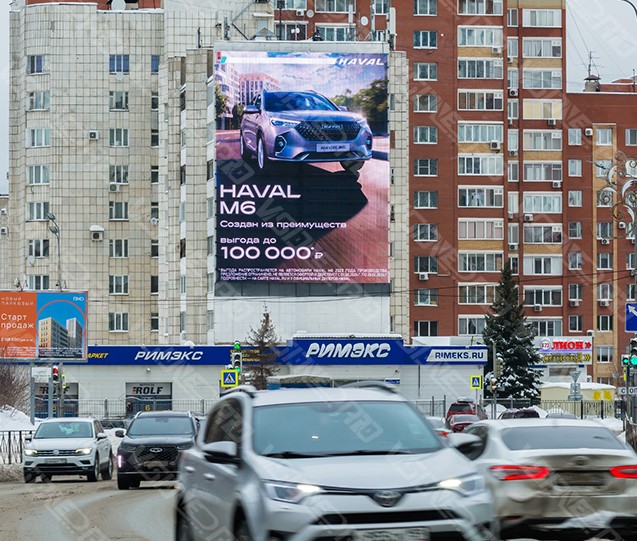
Outdoor screens focus on high brightness and weather resistance, utilizing high-refresh-rate driver ICs and high-nit encapsulation to keep colors vivid under direct sunlight. Indoor commercial screens, on the other hand, are built for retail malls and corporate lobbies, emphasizing wide viewing angles, silent fanless cooling, and seamless alignment.
Concerts, trade shows, and temporary events require specialized rental units. These systems rely on lightweight die-cast aluminum cabinets, quick-lock mechanisms, and reinforced corner designs that can handle frequent assembly, disassembly, and long-distance transport without structural wear.
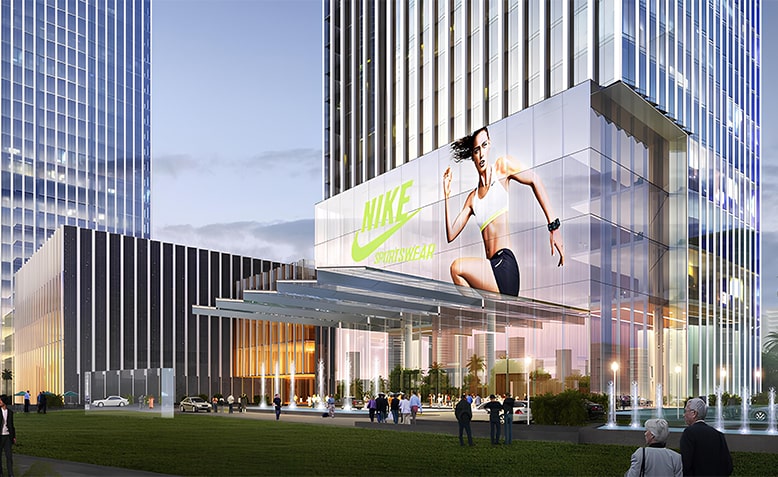
Transparent glass screens and flexible video walls blend modern architecture with digital communication, allowing natural light to pass through buildings while displaying dynamic visual content. These creative formats are widely used in premium storefront windows, car showrooms, and architectural facades. You can explore various structural designs and layouts directly through the Vision LED Products Catalog.
Key priorities include the manufacturer's R&D strength, core component quality (such as lamp beads and driver ICs), automated testing procedures, and their track record with similar international engineering projects.
Pixel pitch determines the distance between individual pixel clusters; smaller pitches yield higher resolution and closer optimal viewing distances, but generally increase the cost per square meter.
Custom shapes do demand specialized structural engineering and module calibration, but established manufacturers provide detailed installation guides and modular spare parts to make ongoing maintenance straightforward.
With proper thermal management and stable power inputs, high-quality commercial LED displays typically last for well over 100,000 hours of continuous operation.
Choosing a reliable global visual supplier comes down to carefully evaluating engineering capabilities, component quality, and after-sales support. Partnering with a proven manufacturer ensures long-term operational stability and maximum visual impact on your project. If you have specific project requirements, custom dimensions, or product specifications in mind, feel free to Contact Vision LED Pro Today to speak directly with our technical team.


 Tel: +86-134 2792 1400
 Email: [email protected]

Address: Second Industrial Park,No. 28, Xintang Road, Fuhai Street, Baoan District, Shenzhen,CHINA
Copyright © 2020 Shenzhen Vision Pro Electronic Co., Ltd All rights reserved.

By continuing to use the site you agree to our privacy policy Terms and Conditions.